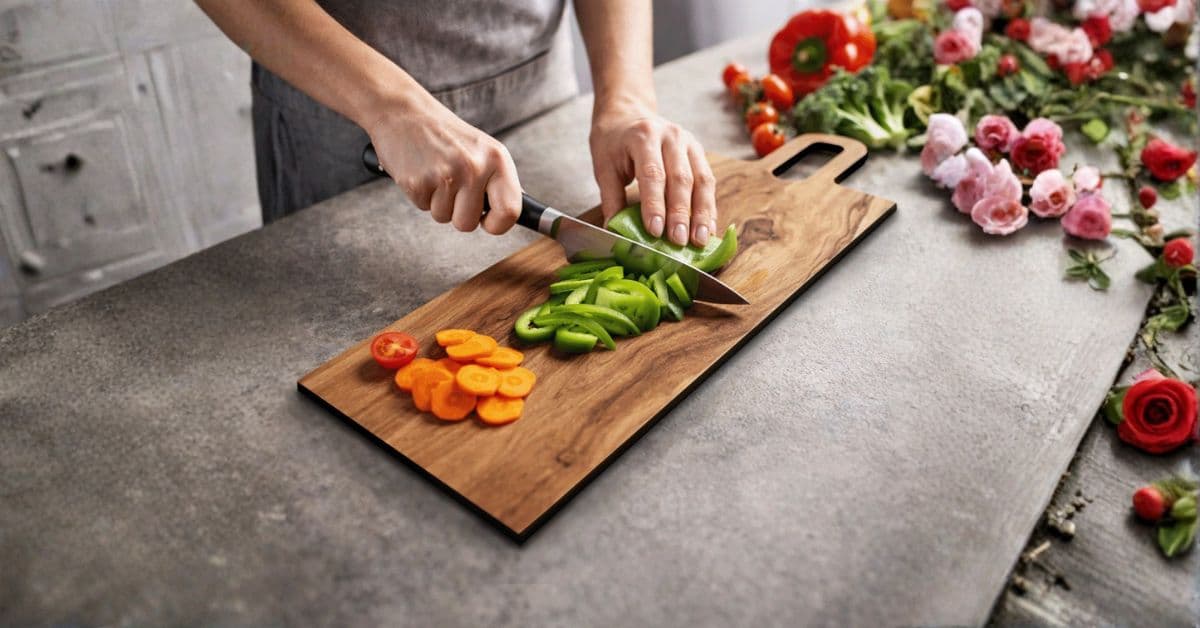
Choosing the right chopping board may seem simple, but it plays a huge role in food safety, hygiene, knife life, and daily convenience. The debate usually comes down to wood vs plastic chopping boards—both popular, both practical, and both flawed in their own ways. Let’s break it down clearly and then look at why compressed cellulose boards are quickly emerging as the smarter modern alternative.
Wooden Chopping Boards: Natural but Demanding
Wooden boards have long been a kitchen favourite. They look premium, feel sturdy, and are gentle on knives.
Pros
- Naturally antibacterial to some extent
- Knife-friendly surface
- Aesthetic and traditional appeal
Cons
- Absorbs moisture, oils, and odours
- Can warp, crack, or split over time
- Requires regular oiling and careful drying
- Not dishwasher-safe
Despite their charm, wooden boards demand maintenance. In humid climates or high-use kitchens, they can quickly become breeding grounds for bacteria if not cared for properly.
Plastic Chopping Boards: Convenient but Short-Lived
Plastic boards gained popularity due to affordability and ease of cleaning. They’re lightweight and dishwasher-friendly—but that convenience comes at a cost.
Pros
- Easy to clean
- Lightweight and affordable
No oiling or special care required
Cons
- Knife cuts create deep grooves that trap bacteria
- Wears out quickly
- Can shed microplastics over time
- Less durable for heavy chopping
As plastic boards age, the surface degrades fast, making them less hygienic than they appear—especially for meat and poultry.
The Modern Alternative: Compressed Cellulose Chopping Boards
This is where HPL chopping board changes the conversation.
HPL boards are made from natural wood fibers fused under high pressure, creating a dense, non-porous surface that combines the best qualities of wood and plastic—without their weaknesses.
Why HPL Chopping Board Wins
- Highly hygienic: Non-porous surface resists moisture and bacteria
- Knife-safe: Firm yet forgiving on blades
- Dishwasher-safe: Unlike wood
- Warp-resistant & crack-proof
- Eco-conscious: Made from renewable materials, unlike plastic
These boards don’t absorb smells, don’t need oiling, and don’t develop deep knife grooves like plastic. They’re built for modern kitchens that demand performance, hygiene, and durability.
Final Verdict: Which Is Better?
Wood is great for aesthetics and light use—but high maintenance
Plastic is convenient short-term—but degrades quickly
HPL delivers long-term reliability, hygiene, and sustainability
If you’re serious about cooking and want a chopping board that keeps up with daily use without constant care, HPL is clearly the better choice for today’s kitchens.
Wood and plastic belong to the past. HPL is where performance meets practicality.